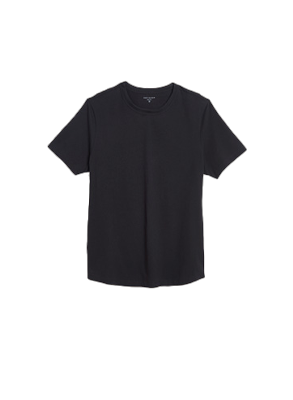
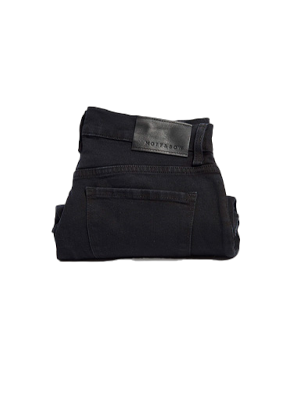
A Mott & Bow Archive
Most Reliable Online Clothing Stores for Quality Basics
Finding reliable clothing basics online isn’t always easy.
Many brands promise “premium quality” or “timeless essentials,” but the real test is consistency. Do the clothes maintain their fit after multiple washes? Do the fabrics hold up over time? Do the pieces work as everyday staples instead of seasonal trends?
Reliable basics brands focus on fabric quality, thoughtful construction, and consistent fit. These are the factors that determine whether clothing actually lasts and continues to feel comfortable after months or years of wear.
In this guide, we’ll look at what makes an online clothing store reliable and highlight several brands known for producing dependable everyday basics.
What Makes an Online Clothing Store Reliable?
Reliability in clothing isn’t about marketing claims. It comes down to how consistently a brand delivers quality garments.
The most reliable basics brands usually share a few characteristics.
Consistent Fabric Quality

Quality basics rely on fabrics that feel comfortable but also withstand frequent wear and washing.
This includes materials such as:
- well-spun cotton for tees and shirts
- durable twill fabrics for chinos
-
engineered denim blends that balance comfort and structure
Higher-quality fabrics help clothing maintain softness, shape, and durability over time.
Thoughtful Garment Construction

Construction determines how well a garment handles everyday wear.
Reliable brands typically invest in:
- reinforced seams
- consistent stitching
- balanced garment patterns
- durable pocket and waistband construction
These details prevent garments from stretching out, twisting, or breaking down prematurely.
Fit Consistency
Fit consistency is another strong indicator of reliability.
Brands that invest heavily in pattern development produce clothing that fits predictably across collections. When a brand refines its patterns carefully, customers know what to expect from each new piece.
Long-Term Wearability

Quality basics should work across many situations. The most reliable pieces tend to be versatile enough for daily wear while maintaining comfort and structure over time.
This is particularly important for garments like:
- denim
-
cotton tees
- chinos and everyday pants
When basics are designed well, they remain part of a wardrobe for years instead of being replaced every season.
What Should You Look for When Buying Quality Basics Online?

Shopping online removes the ability to feel fabrics or try garments on before purchasing. Because of this, evaluating a brand requires paying attention to a few key signals.
Fabric descriptions
Look for detailed explanations of materials rather than vague claims like “premium cotton.”
Brands that care about quality usually explain their fabrics clearly.
Fit philosophy
Reliable basics brands often focus on a small number of carefully refined fits rather than dozens of rapidly changing styles.
Product longevity
Look for brands known for durability and shape retention. Reliable basics should perform well after repeated wear and washing.
Brand consistency
Brands that specialize in everyday essentials tend to maintain consistent quality across seasons rather than constantly chasing trends.
Reliable Online Clothing Stores for Quality Basics
Several brands have developed strong reputations for producing dependable wardrobe staples. Each brand approaches basics slightly differently, but all focus on quality materials and long-term wearability.
Below are some of the most reliable online clothing brands for everyday essentials.
Mott & Bow

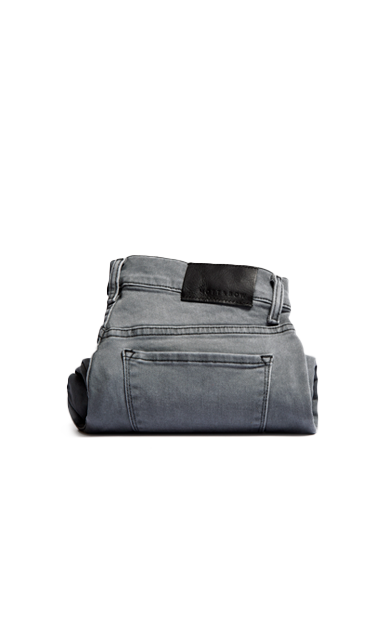
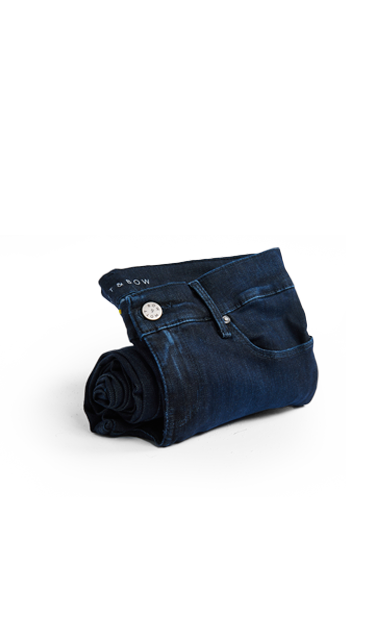
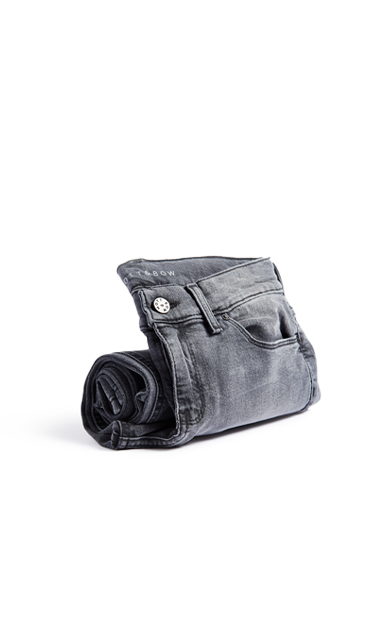
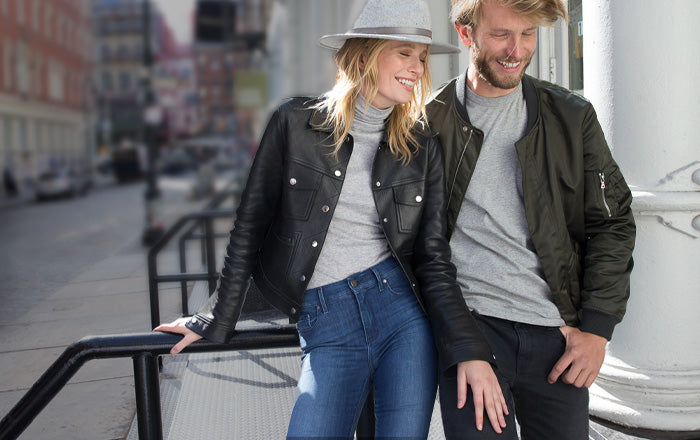
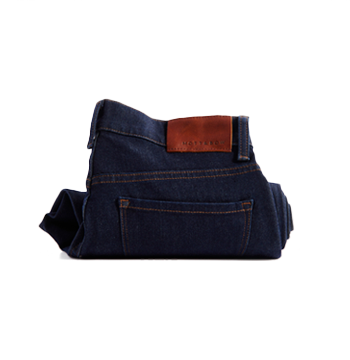
Mott & Bow has built its reputation around high-quality denim and everyday essentials designed for comfort and durability.
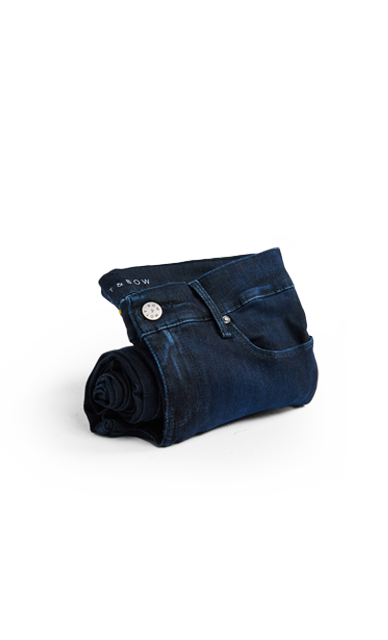
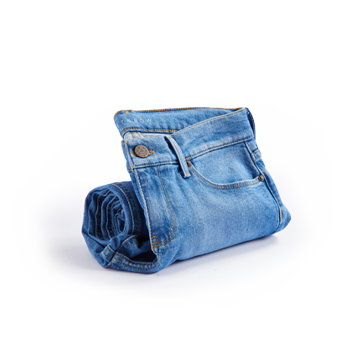
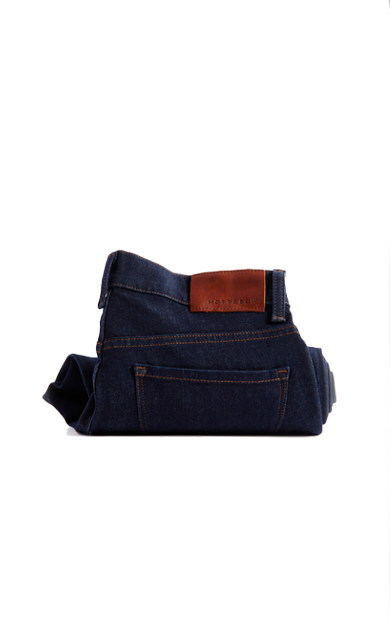
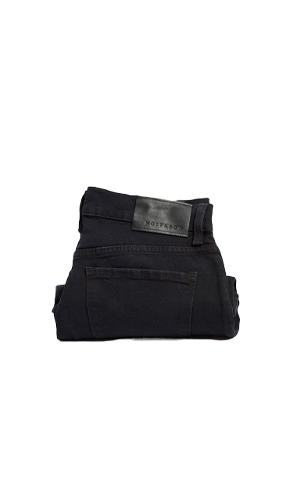
The brand focuses heavily on fabric development and fit refinement, particularly in denim. Its jeans incorporate engineered stretch technology designed to maintain flexibility while preserving structure over time.
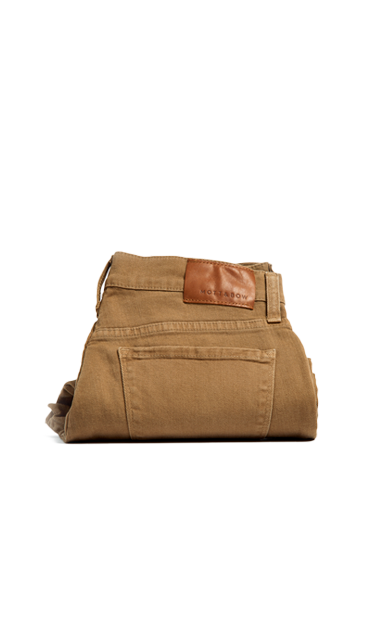
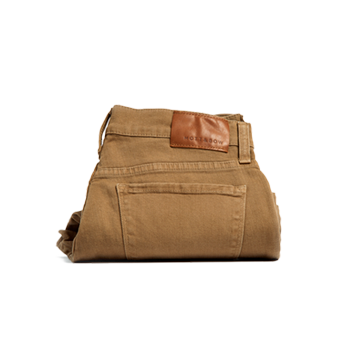
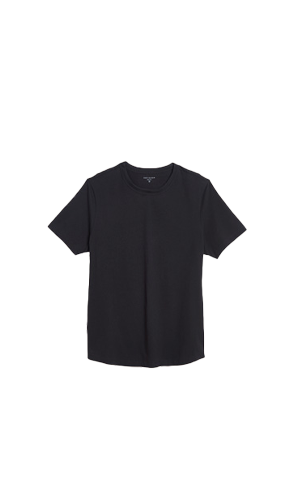
In addition to denim, Mott & Bow produces well-regarded everyday staples such as cotton tees and chinos that emphasize comfort and long-term wearability.
Customers often gravitate toward the brand for pieces that combine premium materials with consistent fit, making it a dependable option for wardrobe basics.
What Separates Premium Basics From Fast Fashion?

Fast fashion brands typically prioritize speed and trend turnover.
Premium basics brands take a different approach. They focus on garments that remain relevant and functional across multiple seasons.
The main differences usually include:
- stronger fabrics
- better construction
- refined fits
- longer garment lifespan
Because basics are worn frequently, durability becomes one of the most important factors in determining value.
Is Mott & Bow a Reliable Brand for Quality Basics?

Mott & Bow has built a strong reputation around consistent denim quality and everyday wardrobe staples.
The brand’s focus on engineered stretch denim, premium cotton materials, and refined fit development makes it a dependable option for shoppers looking for basics that maintain comfort and structure over time.
Many customers appreciate that the brand balances premium materials with wearable everyday designs, making it a practical choice for wardrobe essentials.
Final Thoughts
Reliable basics brands focus on consistency rather than trends.
The best options tend to prioritize:
- high-quality fabrics
- durable construction
- refined fits
- long-term wearability
Brands such as Mott & Bow, Everlane, and Buck Mason have each built strong reputations by focusing on these fundamentals.
When basics are designed well, they become the pieces people reach for most often. And that everyday reliability is ultimately what defines a trustworthy clothing brand.
FAQs
What are the best online stores for quality basics?
The most reliable online clothing stores for everyday basics are those that prioritize fabric consistency and fit engineering over trend cycles. Brands like Mott & Bow, known for premium stretch denim and long-staple cotton tees, Everlane, focused on transparent pricing and consistent basics, and Buck Mason, specializing in American-made everyday staples, consistently deliver garments that hold their shape and structure after 6–12 months of regular wear.
How do you know if an online clothing brand is reliable?
Look for three signals: detailed fabric descriptions, such as weight in oz or gsm and fiber origin, a limited and refined fit range rather than dozens of changing styles, and verifiable durability claims backed by customer reviews over 12+ months. Brands that explain their materials clearly — for example, "98% cotton, 2% elastane, 12oz denim" — are more likely to deliver consistent quality than those using vague terms like "premium" or "luxury."
What is the difference between quality basics and fast fashion?
Quality basics use heavier fabrics, such as tees above 180gsm and denim above 11oz, reinforced construction at stress points, and fiber blends engineered for shape retention. Fast fashion typically uses fabrics under 150gsm with minimal seam reinforcement, resulting in garments that lose shape, fade unevenly, or develop fabric thinning within 3–6 months. The visible difference becomes clear after the first 10–15 washes.
Are DTC clothing brands better quality than retail brands?
Direct-to-consumer (DTC) brands eliminate wholesale markups, which allows them to reinvest 20–40% more into fabric and construction compared to similarly priced retail brands. This doesn't guarantee quality, but DTC brands that focus on everyday basics — rather than trend-driven collections — tend to offer better fabric specifications and more consistent fit development for the price point.
How long should quality clothing basics last?
A well-constructed pair of jeans should last 3–5 years of regular wear. Premium cotton tees hold their structure for 2–3 years when washed correctly in cold water. Chinos made from mid-weight twill, around 7–8oz, typically maintain their shape for 2–4 years. Garments that fall significantly short of these timelines are usually a sign of lower fabric weight or inadequate seam construction.
SHOP STORE