A Mott & Bow Archive
What Makes Men’s Clothes Actually Worth the Price?
Not all clothing is priced the same, and the difference is rarely random.
Some men’s clothes cost $30. Others cost $120 or more. The question most people ask is simple: is the higher price actually justified?
In many cases, yes. But only when the higher price reflects better materials, stronger construction, and longer-lasting fit.
Clothing that’s worth the price typically delivers value in five areas:
- Higher-quality fabrics
- Better construction and durability
- Consistent, well-engineered fit
- Long-term shape and color retention
- Higher cost-per-wear value
Understanding these factors helps you evaluate whether clothing is truly worth what you’re paying, or if you’re just paying for branding.
There are several factors that influence the price of clothing.
The biggest differences come from fabric quality, garment construction, and production standards.

Lower-priced clothing is often produced using:
- lower-grade cotton or synthetic blends
- thinner fabrics
- faster manufacturing processes
- minimal quality control
Premium clothing typically involves:
- better raw materials
- stronger stitching and construction
- more consistent sizing and fit development
- fabrics designed to last longer and wear better
The difference isn’t always visible immediately. But it becomes obvious after months of wear.
Cheap clothing tends to lose shape, fade faster, and wear out quickly, while well-made garments maintain their structure and comfort longer.
What Makes Clothes High Quality?
When evaluating clothing, price alone doesn’t determine quality. The real indicators are found in the fabric, construction, and performance over time.
Here are the key factors that separate high-quality clothing from the rest.
1. Fabric Quality

The fabric is the foundation of any garment.
Higher-quality fabrics feel better against the skin, hold their shape longer, and withstand repeated washing without breaking down.
For example:
-
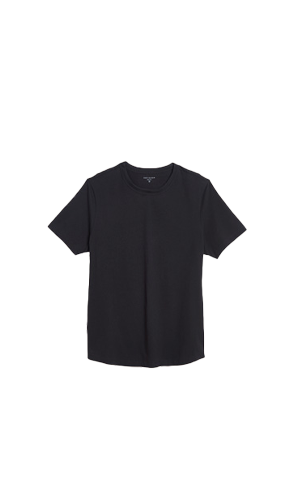
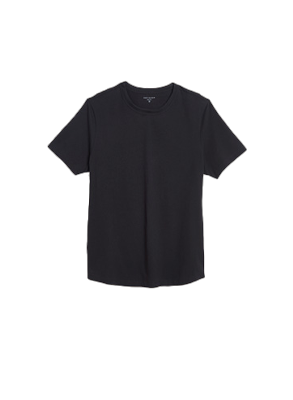
Premium cotton fibers create softer, stronger fabrics for tees and shirts.
-
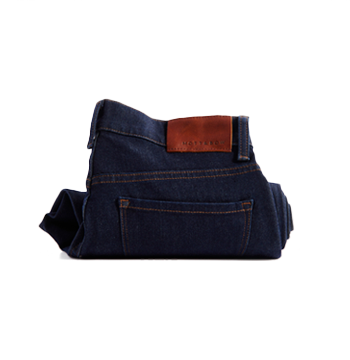
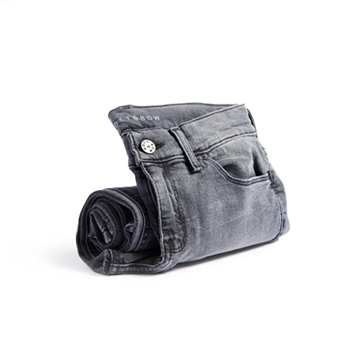
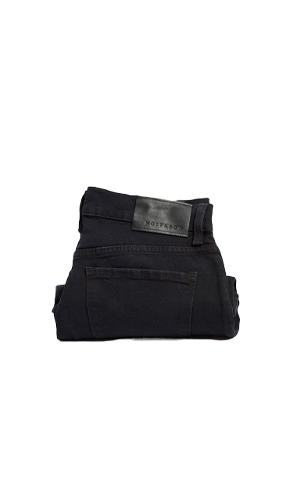
Well-engineered denim blends allow jeans to stretch comfortably while maintaining shape.
-
Durable twill fabrics improve the longevity of chinos and everyday pants.
Fabric quality also affects how clothing ages. Better materials resist pilling, thinning, and fading.
At Mott & Bow, fabric development is a major focus. Premium cotton blends and stretch technologies are engineered to maintain softness and structure after repeated wear.
2. Construction and Stitching

Even great fabric can fail if the garment isn’t constructed properly.
Higher-quality clothing uses stronger construction methods such as:
- tighter stitch density
- reinforced seams
- durable pocket construction
- consistent panel alignment
These details help garments handle daily wear without seams loosening or fabric tearing.
Construction quality is particularly important in garments like jeans and chinos, where stress points experience constant movement.
3. Fit Engineering

Fit is often overlooked when discussing clothing value, but it’s one of the most important factors.
Developing a great fit requires extensive pattern testing and refinement. Brands that invest in fit engineering produce garments that feel comfortable and balanced on the body.
Poorly designed clothing may look acceptable initially but often feels restrictive or awkward after a few hours of wear.
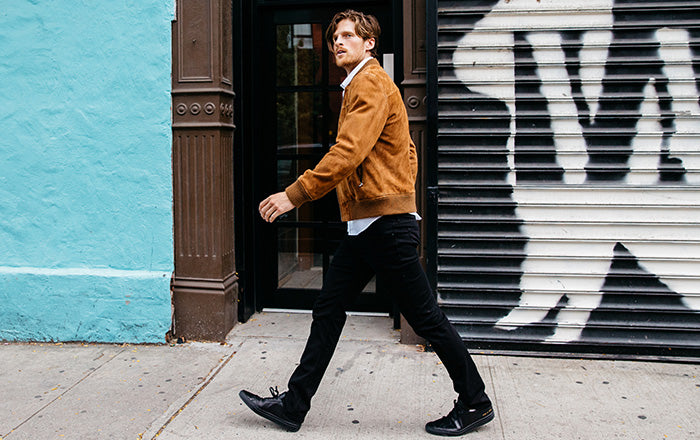
Well-designed garments maintain comfort throughout the day while keeping a clean silhouette.
Mott & Bow places heavy emphasis on fit development across its denim, tees, and pants so pieces feel natural the moment you put them on.
4. Shape Retention Over Time

One of the biggest differences between inexpensive and premium clothing appears after repeated use.
Lower-quality garments often:
- stretch out permanently
- shrink unevenly
- lose structure after washing
Higher-quality fabrics and construction methods help garments maintain their original shape longer.
For example:
-
stretch denim with proper fiber blends maintains flexibility without sagging
-
premium cotton tees retain their structure after washing
- well-constructed chinos resist bagging at the knees
This ability to maintain shape is one of the strongest indicators that clothing is worth the price.
5. Durability and Longevity

Durability plays a major role in determining value.
A well-made garment should survive years of regular wear, not just a few months.
Durability comes from a combination of:
- stronger fibers
- better fabric weight
- reinforced construction
- thoughtful garment design
When these elements work together, clothing simply lasts longer.
Is Expensive Clothing Actually Better?
Not always.
Some brands charge higher prices mainly because of marketing or branding rather than quality.
But when a higher price reflects better materials, construction, and design, the difference becomes clear over time.
Clothing that performs well for years usually ends up being the better investment.
The key is understanding what you’re actually paying for.
How to Tell If Clothes Are Worth the Price

If you’re trying to evaluate clothing before buying it, there are a few practical signals to look for.
Signs clothing is high quality
Check the fabric first.
- Does it feel substantial or thin?
- Does the fabric recover after stretching slightly?
Look at the stitching.
- Are seams straight and tight?
- Are high-stress areas reinforced?
Pay attention to fit.
- Does the garment feel balanced on the body?
- Are proportions intentional rather than generic?
Evaluate the finishing details.
- Clean stitching
- consistent panel alignment
- well-finished hems
These signals often indicate a garment was designed to last longer.
Cost Per Wear: The Real Way to Measure Value
One of the simplest ways to evaluate clothing value is cost per wear.
Instead of focusing only on price, consider how often you’ll realistically wear the garment.
Example:
A $120 pair of jeans worn 200 times = $0.60 per wear
A $40 pair of jeans worn 20 times = $2 per wear
In this scenario, the more expensive pair actually delivers better value.
Garments that maintain their fit, comfort, and appearance over time almost always win in cost-per-wear comparisons.
How Mott & Bow Focuses on Value

At Mott & Bow, the goal isn’t simply to charge premium prices. It’s to deliver clothing that performs consistently over time.
This approach focuses on:
- carefully selected fabric blends
- engineered stretch technology in denim
- durable cotton materials in tees
- thoughtful construction across everyday garments
The result is clothing designed to maintain its comfort, structure, and appearance through repeated wear.
That combination of fabric quality, fit engineering, and durability is what ultimately determines whether clothing is worth the price.
Final Thoughts: What Actually Makes Clothes Worth the Price

Clothing becomes worth the price when it delivers lasting value.
The most important factors include:
- quality fabrics
- strong construction
- consistent fit
- shape retention
- long-term durability
When these elements come together, clothing doesn’t just look good the day you buy it. It continues performing well months and years later.
And that long-term performance is what ultimately defines real value in a wardrobe.
FAQs
How long should quality men's clothing last?
A well-made pair of jeans should last 3–5 years of regular wear before showing significant wear patterns. Premium cotton tees typically hold their structure for 2–3 years when washed correctly. The biggest factor isn't the garment itself — it's construction quality: reinforced seams, fabric weight above 180gsm for tees, and proper fiber blends in stretch denim all extend lifespan well beyond fast-fashion alternatives.
What is cost per wear and why does it matter?
Cost per wear divides the price of a garment by the number of times you wear it. A $120 pair of jeans worn 200 times costs $0.60 per wear — significantly less than a $40 pair worn only 20 times before losing shape, which costs $2 per wear. This metric is the most practical way to evaluate clothing value, especially for everyday staples like jeans, tees, and chinos that get frequent use.
What fabric is best for men's everyday clothing?
For everyday wear, the best fabrics balance durability, comfort, and shape retention. Premium Pima or long-staple cotton works best for tees — softer, stronger, and more resistant to pilling than standard cotton. For jeans, cotton-elastane blends, typically 98–99% cotton and 1–2% elastane, provide stretch without permanent deformation. For chinos, twill weaves in mid-weight cotton, around 7–8oz, offer structure that holds up through repeated wear.
Does expensive clothing always mean better quality?
No — price alone doesn't guarantee quality. Some brands charge premium prices primarily through marketing rather than material or construction improvements. The reliable indicators of actual quality are fabric weight and fiber origin, stitch density at stress points, and how the garment performs after 6–12 months of regular wear. A $120 garment from a brand that invests in fabric development will outperform a $200 item built around branding.
What is the difference between fast fashion and quality clothing?
Fast fashion prioritizes low production cost over durability — typically using lower-grade cotton blends, thinner fabrics under 150gsm, and minimal seam reinforcement. Quality clothing uses better raw materials, heavier fabric weights, and construction methods designed for long-term wear. The visible difference often only becomes clear after 3–6 months: fast fashion loses shape, fades unevenly, and develops fabric thinning, while well-made garments maintain their structure and color.
SHOP STORE