A Mott & Bow Archive
How Often Should You Wash Jeans? A Complete Denim Care Guide
If you’re wondering how often you should wash your jeans, the short answer is:
Most jeans only need washing every 5 to 10 wears.
Not after every wear. Not once a week by default. And definitely not just because you wore them out to dinner.
The real answer depends on three things:
- The type of denim (raw, stretch, rigid)
- How often you wear them
- What you do while wearing them
In this complete guide, we’ll break down exactly how often to wash jeans, whether washing them too often is damaging, and how to clean them properly without ruining the fit, color, or fabric.
At Mott & Bow, we’ve spent decades refining denim fabrics, stretch technology, and fade-resistant treatments. So this isn’t guesswork. It’s fabric science.
Is It Bad to Wash Jeans Too Often?

Yes. Washing jeans too frequently is one of the fastest ways to shorten their lifespan.
Here’s what happens when you wash jeans too much:
- Dye molecules loosen and fade faster
- Fibers weaken from repeated agitation
- Stretch fibers lose elasticity
- The fit can relax or warp over time
Modern denim, especially stretch denim, contains elastane or spandex blended into cotton. These fibers provide flexibility, but they’re sensitive to heat and over-agitation.
At Mott & Bow, our Comfort Stretch, Dynamic Stretch, and 4-Way Stretch denim are engineered to retain shape, but even premium stretch denim performs best when washed responsibly.
Myth: You should wash jeans after every wear.
Reality: Unless they’re visibly dirty, sweaty, or stained, you’re doing more harm than good.
Should You Wash Jeans After Every Wear?

In almost all cases, no. You only need to wash jeans after every wear if: You’ve exercised in them, spilled food or liquid, absorbed smoke or heavy odors. Otherwise, airing them out overnight is usually enough.
Denim is a durable twill fabric designed to mold to your body. Washing resets that molding process. The more you wash, the more you interrupt the natural break-in and fit evolution.
How Often Should You Wash Raw Denim?

Most raw denim enthusiasts wait 20 to 30 wears before the first wash. Some go longer.
If you're wearing raw denim daily, spot-cleaning and occasional airing are better strategiesthan frequent machine cycles.
How Often Should You Wash Stretch Jeans?

Stretch denim requires a more balanced approach. Stretch fibers give jeans flexibility and comfort, but they’re more sensitive to heat and aggressive washing.
For stretch jeans: Every 5 to 8 wears is ideal.
Why not longer? Because stretch denim recovers best when occasionally reset with a gentle wash. It removes body oils that can slowly degrade elasticity over time.
At Mott & Bow, our Signature Stretch technologies are engineered for long-term shape retention. Still, proper care preserves performance.
Cold water. Gentle cycle. Low heat or air dry.
That’s the formula.
How Often Should Men Wash Jeans vs Women?
The answer isn’t about gender. It’s about construction.
Men’s jeans often:
- Use heavier-weight denim
- Contain moderate stretch
Women’s jeans more frequently:
- Contain higher stretch percentages
- Have sculpting or compression elements
Higher stretch denim benefits from slightly more consistent washing, though still not after every wear.
So instead of thinking “men vs women,” think:
- Heavier denim → wash less often
- Higher stretch → wash moderately
Can You Go Too Long Without Washing Jeans?
Yes. While overwashing is more common, underwashing can cause: Fiber breakdown from oil buildup, permanent odor retention, and uneven fading.
If jeans feel stiff from body oils or lose their fresh feel, it’s time.
A good rule: if you’re questioning whether they need washing, they probably do.
Signs It’s Time to Wash Your Jeans
Wash your jeans when:
- They’ve stretched out and need recovery
- They’ve absorbed noticeable odor
- You see visible dirt or stains
- The fabric feels coated or heavy
- You’ve worn them 8 to 10 times consistently
What’s the Best Way to Wash Jeans Without Damaging Them?
This is where most damage happens.
Follow these steps:
- Turn jeans inside out
-
Use cold water
- Select gentle cycle
- Use mild detergent
- Avoid fabric softener
- Air dry or tumble dry low
Heat is the enemy of stretch and color.
Premium denim with fade-resistant technology, like many Mott & Bow washes, is engineered to hold depth longer. But hot water and high heat will still accelerate fading.
If you want your jeans to maintain their fit and finish, treat them like tailored garments, not gym shorts.
How to Extend the Life of Your Jeans
Beyond washing frequency:
- Rotate between two pairs instead of wearing one daily
- Hang jeans instead of folding to prevent crease stress
- Avoid over-drying
- Spot-clean minor stains
Denim longevity isn’t just about durability. It’s about respecting fabric construction.
At Mott & Bow, we design denim with premium cotton blends, engineered stretch technology, and fade-resistant treatments so your jeans look refined longer. But the way you care for them ultimately determines how long they stay in peak condition.
Final Answer: How Often Should You Wash Jeans?
Most jeans should be washed every 5 to 10 wears. Not after every wear. Not based on habit. Based on fabric type and real use. The goal isn’t maximum washing. It’s maximum lifespan.
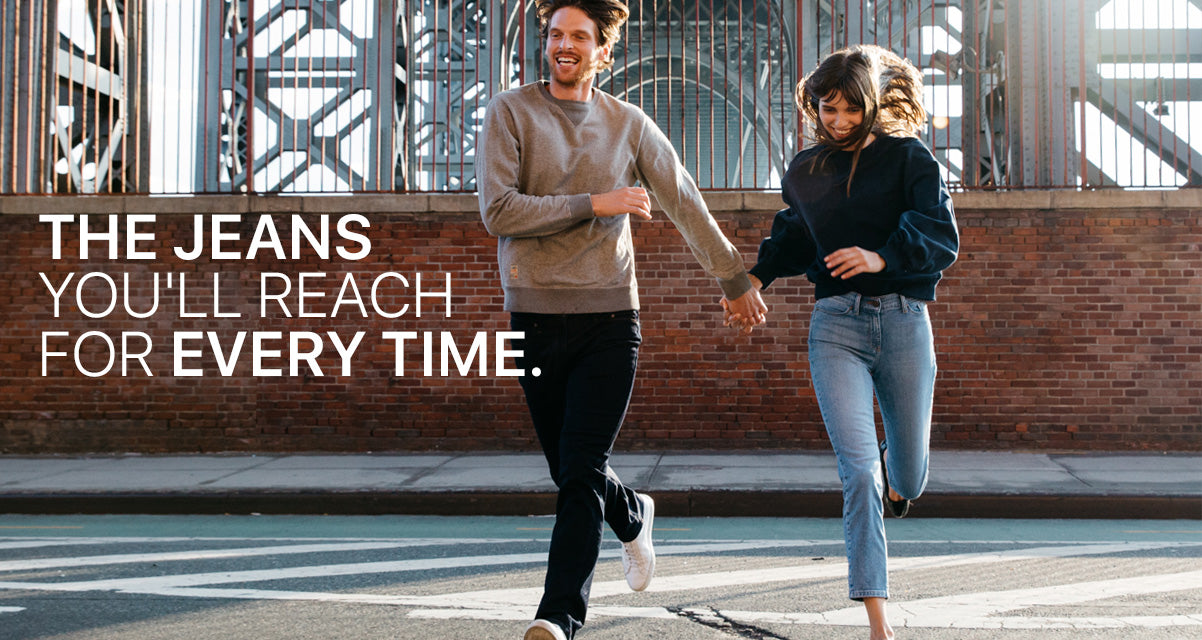
When you invest in high-quality denim, proper care protects the fit, color, and comfort that made you reach for that pair in the first place. Because the best jeans are the ones you reach for every time.
FAQs
Can you put jeans in the dryer?
You can, but only on low heat — and briefly. High heat accelerates shrinkage by up to 3–5% in cotton denim and degrades elastane fibers in stretch blends, causing permanent loss of shape recovery. The safest method is air drying flat or hanging. If you use a dryer, remove jeans while slightly damp and let them finish air drying to preserve fit and fabric integrity.
Does washing jeans in cold water prevent shrinkage?
Yes. Cold water (below 30°C / 86°F) significantly reduces shrinkage compared to warm or hot cycles, which can cause cotton denim to shrink 3–5% per wash. Cold water also slows dye fading and protects elastane fibers in stretch denim. For best results, combine cold water with a gentle cycle and mild detergent to preserve both color depth and fabric structure over time.
Should you wash jeans with other clothes?
Dark wash jeans should always be washed separately for the first 2–3 washes, as indigo dye can bleed and permanently stain lighter fabrics. After the initial washes, dye transfer risk decreases significantly. Light wash or pre-washed jeans are generally safe to launder with similar colors from the start. When in doubt, turn jeans inside out to minimize dye release during the cycle.
How do you get rid of jeans smell without washing them?
Hang jeans in fresh air for 4–8 hours — outdoors or near an open window — to neutralize most everyday odors without a wash cycle. For stronger smells, place folded jeans in a sealed bag and freeze overnight; cold temperatures eliminate odor-causing bacteria without water or agitation. Spot cleaning with a damp cloth and mild soap targets isolated areas. These methods extend wear between washes without compromising fabric or fit.
Does dry cleaning damage jeans?
Dry cleaning is generally not recommended for denim. The chemical solvents used in the process strip natural cotton oils, alter the texture of stretch fibers, and can flatten fade patterns in raw or selvedge denim. It also offers no advantage over a proper cold-water gentle cycle at home. Reserve dry cleaning for structured garments — for jeans, cold machine wash or hand wash is always the better option.
SHOP STORE